
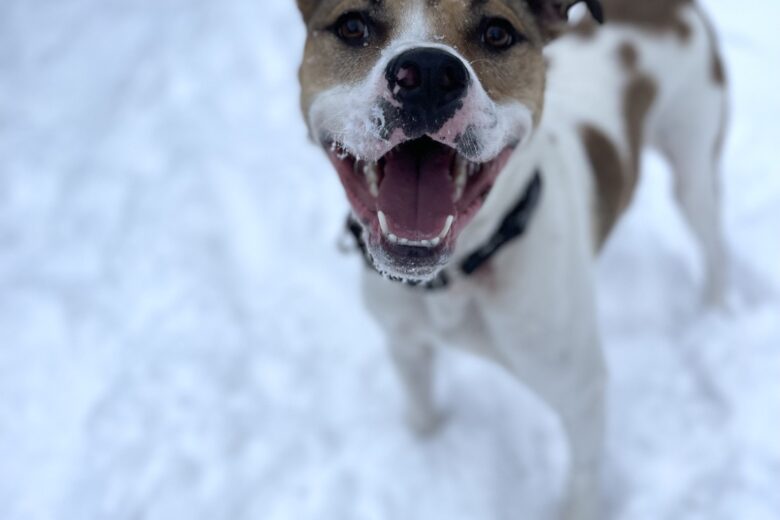
Winter Wonderland: Essential Tips for Protecting Your Pup on Cold Walks in Maine
As winter blankets the picturesque landscapes of Maine, our canine companions are ready to embark on snowy adventures. However, the chilly temperatures and icy conditions demand extra care to keep our furry friends safe and comfortable during their walks. Here are some essential tips to ensure your dog stays warm and happy while exploring the winter wonderland:
1. Bundle Up: Just like us, dogs can feel the chill in the air. Consider investing in a cozy and well-fitted winter coat for your pup, especially if they have short fur. Breeds with thin coats, elderly dogs, or those with health conditions may benefit from additional layers to retain body heat.
2. Protect the Paws: Icy sidewalks and snowy trails can be harsh on your dog’s delicate paw pads. Booties or paw wax are excellent options to shield their paws from cold surfaces and potentially harmful substances like road salt. Before heading out, check your dog’s paws for ice buildup and clean them thoroughly.
3. Shorten Walks in Extreme Cold: In frigid temperatures, it’s wise to keep walks shorter. Puppies, senior dogs, and smaller breeds may be more susceptible to the cold. Monitor your dog for signs of discomfort, like shivering or lifting their paws, and head back inside if needed.
4. Stay Visible: Winter days can be dark, with limited visibility due to early sunsets and cloudy skies. Use reflective gear, such as a reflective leash or collar, to make your dog visible to motorists and other pedestrians. This precaution is crucial, especially in snowy conditions where visibility is reduced.
5. Mind the Ice: Be cautious of icy patches on sidewalks and roads. Dogs, like humans, can slip and injure themselves on icy surfaces. Choose walking routes with minimal ice, and consider using pet-friendly ice melt around your home to create safer paths.
6. Dry Them Off: After your winter walk, wipe down your dog’s paws, legs, and belly to remove any snow, ice, or salt. This not only prevents discomfort but also helps avoid potential irritation from salt or other chemicals used on the roads.
7. Watch for Signs of Hypothermia: Know the signs of hypothermia in dogs, such as shivering, lethargy, and weakness. If you observe these symptoms, it’s crucial to get your dog warm as quickly as possible. Use blankets or towels to wrap them up and seek veterinary attention if needed.
8. Hydration Matters: Cold weather doesn’t diminish the need for hydration. Always bring fresh water for your dog during walks. Snow is not a substitute for water, and dehydration can occur even in colder temperatures.
9. Consider Indoor Play: On exceptionally cold days, engage your dog in indoor activities. Interactive toys, puzzle feeders, and indoor playtime can provide mental stimulation and physical exercise without exposing them to harsh weather.
10. Know Your Dog: Every dog is unique, and their ability to tolerate cold weather varies. Pay attention to your dog’s behavior and adjust your winter walking routine accordingly. Some dogs may adore the snow, while others prefer shorter outings in milder weather.
By incorporating these tips into your winter routine, you can ensure that your furry friend enjoys the magic of Maine’s winter while staying safe and warm. Embrace the season together and create lasting memories in the snowy wonderland!
Last modified: December 29, 2023